UC San Diego | Spring 2020 archive
ECE 157B: Wireless Sensing Laboratory
Overview
Course framing, lab focus, and the durable public material for the wireless sensing laboratory.
Course focus
Wireless sensing through hands-on experimentation.
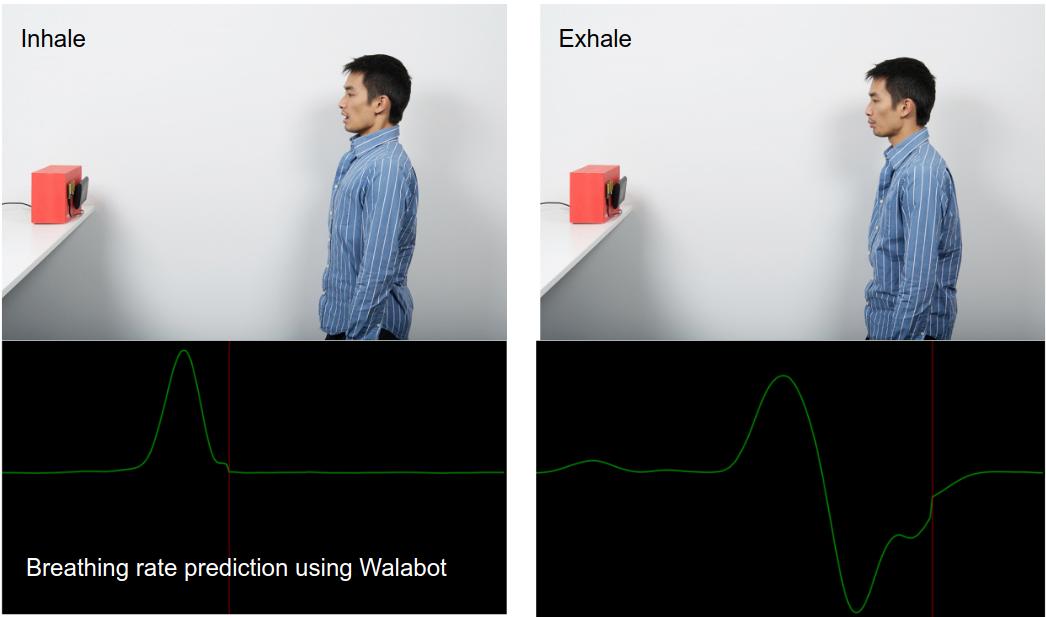
ECE 157B introduces wireless sensing through practical labs on breathing, heart-rate recovery, FMCW ranging, localization, and multi-user inference. The course mixes communication fundamentals with sensing-oriented signal processing and prototype-driven lab work.
This public page keeps the durable material from the archived offering: course framing, lecture topics, online lecture links, assignments, and contact information.
The course is centered on homework, labs, and a final assignment rather than midterm or final exams.
What students build
Signal foundations
Model respiration and heart-rate signatures, reason about range and resolution, and work through the core DSP building blocks.
FMCW sensing
Move from simulation to real data, then build range, phase, and motion pipelines for breathing and heart-rate estimation.
Multi-user inference
Use angle-of-arrival and multi-user processing ideas to localize people and recover multiple vital-sign traces.
Lab platform
Hardware-backed lab work
The lab sequence uses radar-style sensing experiments to make abstract communication and sensing concepts concrete. Students move from simulated data to real traces and increasingly complex sensing tasks.